Top Rental Kerb Appeal Upgrades That Pay Off
A rental can be clean, sound and well located, yet still feel disappointing from the street if the lawn is patchy, the garden is overgrown or the front fence is tired. The best top rental kerb appeal upgrades address those first few seconds of judgement before a prospective tenant reaches the door. For landlords and property managers, that means making practical improvements that photograph well, hold up between inspections and do not create another maintenance headache.
Kerb appeal is not about turning every rental into a high-end show home. It is about a property looking cared for, safe and easy to live in. In a competitive letting market, that can support better enquiry, shorten vacancy periods and set a clear standard for how the home should be maintained.
Start with the presentation basics
Before planning a landscape project or selecting new plants, deal with the visible signs of neglect. A tidy, functional exterior makes a stronger difference than an expensive feature installed around untrimmed hedges and stained paths.
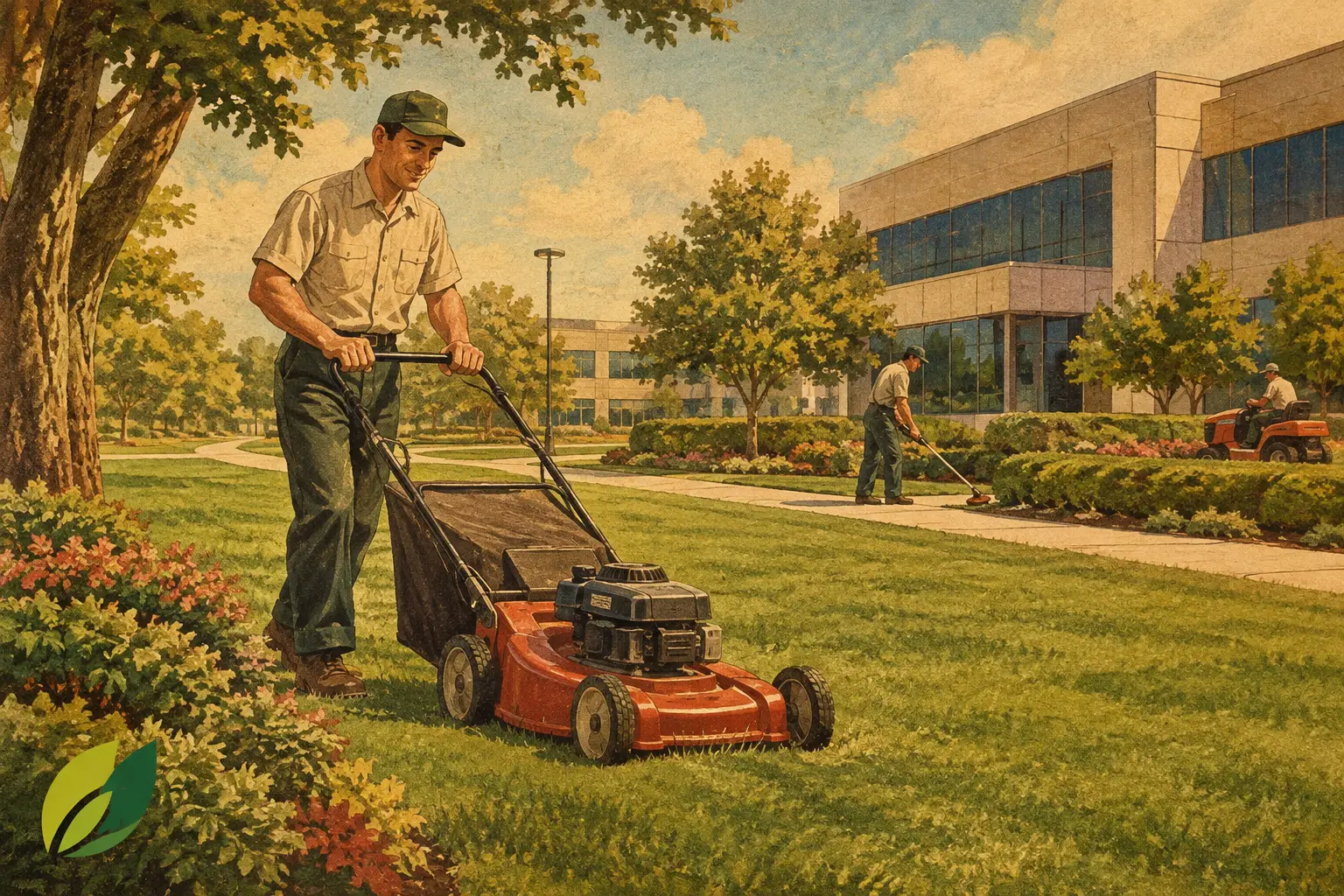
Mow and edge the lawn, remove weeds from garden beds and hard surfaces, prune back plants that crowd paths or windows, and clear leaves from entrances. This work sounds straightforward, but consistency matters. A lawn that has been cut too short or garden beds stripped bare can look just as poor as an overgrown section within a few weeks.
Pressure washing can also transform concrete, pavers, steps and driveways where moss, dirt and water staining have built up. In Nelson and Tasman, shaded areas and damp winter conditions can quickly leave paths looking slippery and uncared for. Cleaning these areas improves the appearance of the property while helping to reduce a genuine safety concern.
Rubbish bins, building materials, broken pots and old outdoor furniture should be removed before photography or viewings. If there is nowhere discreet to keep bins, consider a simple screened area that remains easy for tenants to access. The goal is a clean frontage, not a display garden that is difficult to keep tidy.
Top rental kerb appeal upgrades with lasting value
Once the property is clean and orderly, focus spending on upgrades that improve both the street view and the tenant experience. The right choice depends on the property, its rent level and who is likely to live there, but several improvements regularly earn their place in a rental maintenance plan.
Refresh tired exterior paintwork
A faded front door, peeling trim or weathered fence can make an otherwise solid home appear neglected. Painting targeted exterior elements is often more cost-effective than repainting the entire house, particularly when the cladding is still in good condition.
Choose colours that sit comfortably with the home and surrounding streetscape. Neutral main colours paired with a restrained door or trim colour generally have broader appeal than bold choices. Dark colours can look sharp, but they may show dust, salt residue or scuffs more readily, so they are not always the lowest-maintenance option.
Do not paint over failed surfaces simply for a quick visual lift. Proper preparation, repairs and suitable coatings are what give exterior work its life. A tidy paint job should protect timber and trim as well as improve the first impression.
Repair the arrival path
The route from the street or driveway to the front door should feel obvious, safe and welcoming. Uneven pavers, broken edging, loose handrails and cracked steps stand out at inspections for the wrong reasons. They can also become avoidable maintenance issues later.
A complete rebuild is not always necessary. Re-levelling pavers, repairing a small concrete section, adding crisp edging or defining the path with low planting can make the entry feel more intentional. Where access is poor at night, low-glare exterior lighting around the entrance can improve usability without turning the frontage into a lighting project.
Any lighting needs to be weather-appropriate and positioned thoughtfully. Bright fittings that shine into bedrooms, neighbouring homes or passing traffic may create complaints rather than value. Simple, durable fittings with timers or sensors are often the sensible choice.
Create low-maintenance garden structure
Rental gardens need to look good across seasons without relying on a tenant having time, tools or gardening confidence. That is why structured, easy-care planting usually outperforms gardens packed with delicate annuals or fast-growing shrubs.
Start with clear bed edges and healthy mulch. Mulch gives garden beds a finished look, retains moisture and suppresses weeds, provided it is kept clear of building cladding and not piled against plant stems. Then use a limited plant palette repeated in groups, rather than a collection of one-off plants that can look cluttered.
Evergreen shrubs, hardy grasses and suitable groundcovers can provide year-round form with less intervention. The best plant selection depends on sun, wind, soil and exposure. A plant that thrives in a sheltered urban garden may struggle on a coastal or exposed rural site, so copying a look without considering conditions is rarely money well spent.
Avoid plants with aggressive roots, heavy fruit drop, sharp foliage near walkways or growth habits that quickly block windows and gutters. In a rental, a garden is most valuable when it remains presentable with routine care rather than frequent rescue work.
Improve the lawn where it counts
A thin, bumpy or weed-dominated lawn can pull down the appearance of the whole property, especially when the front section is small and highly visible. Sometimes regular mowing, feeding and weed control are enough to bring it back. Other lawns need more than maintenance if soil compaction, poor drainage or bare areas keep returning.
Targeted turf repair, new lawn establishment or hydroseeding can be a worthwhile investment where the front lawn is a key feature. Good preparation matters more than a quick green result. The ground needs to be levelled, suitable for drainage and matched with a grass option that suits the amount of sun and expected foot traffic.
For a family rental, a durable lawn that tolerates play and regular use may be the priority. For a compact unit or low-occupancy home, reducing lawn area with neatly mulched planting or a simple hard surface may lower ongoing costs. More lawn is not automatically better if no one has the time to maintain it.
Give fencing, letterboxes and numbers attention
Small boundary features carry more weight than their cost suggests. A leaning fence, rusted letterbox or missing house number tells prospective tenants that everyday repairs may be overlooked. By contrast, a straight, freshly maintained fence line and clear numbering make a property feel organised from the outset.
Repair damaged palings, tighten gates and ensure latches work properly. If replacing a letterbox, choose one that suits the scale of the property and can handle regular use. House numbers should be easy to see from the road, particularly for deliveries, trades and emergency services.
Privacy planting or screening can be valuable where a home sits close to a busy road or neighbouring property. However, keep sightlines clear around vehicle entrances and avoid creating dense planting that obscures the front door. Security and visibility should always come before decorative screening.
Match the upgrade to the tenancy
The strongest rental improvements are not necessarily the most elaborate. A premium landscaping design may suit a higher-value executive rental, while a modest family home could benefit more from a resilient lawn, safe path and easy-care beds. Consider expected rent, tenant profile, location, ongoing maintenance costs and the condition of neighbouring properties before setting the scope.
It also pays to distinguish between landlord responsibility and tenant care. Tenants can reasonably be expected to keep the grounds tidy where this is set out in the tenancy agreement, but major pruning, drainage repairs, tree work and restoration of an established landscape are different matters. Clear expectations at the start of a tenancy prevent gardens becoming a point of frustration later.
A scheduled maintenance plan is often more economical than waiting until every vacancy or inspection to tackle accumulated work. Regular lawn and garden care keeps small jobs small, protects the presentation of previous upgrades and gives property managers one less contractor to coordinate. Prime Service Group can combine grounds care, painting and landscape improvements where a rental needs a coordinated reset rather than a series of separate call-outs.
Prepare for viewings, then maintain the standard
Before marketing a property, inspect it as though you are seeing it for the first time. Stand at the boundary, walk to the entry and look back towards the street. Are paths clear? Does the front door feel cared for? Are plants framing the home, or hiding it? Take photos from the same angle used in the listing, because camera images often reveal distractions that are easy to overlook in person.
Then make the improvements sustainable. There is little value in installing fresh mulch, repaired turf and painted fencing if the property is left for months without a basic maintenance visit. A well-presented rental gives tenants confidence that the owner takes upkeep seriously. That first impression can set a better tone for the tenancy long after the viewing is over.