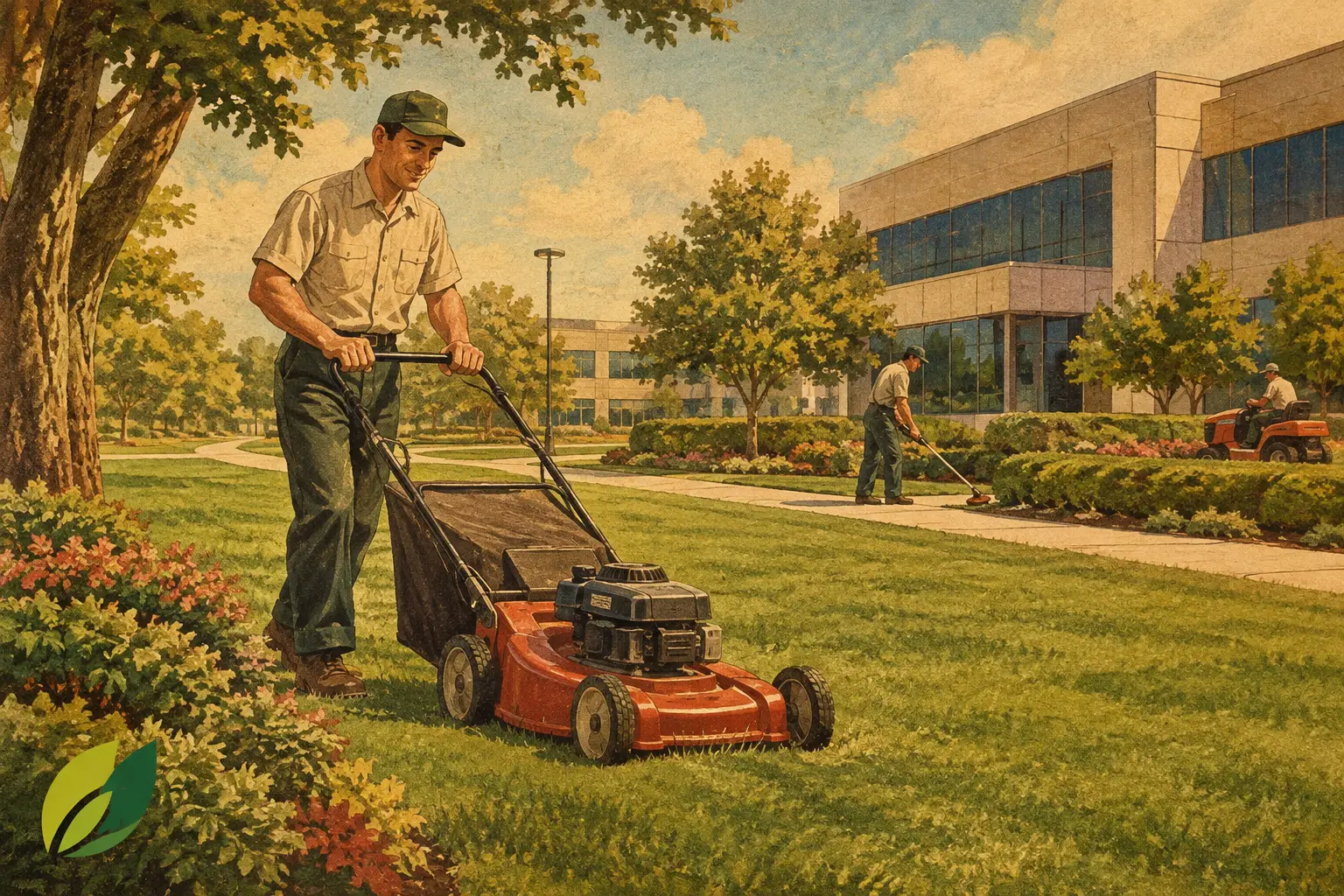
Tasman Garden Maintenance Guide for Every Season
A garden can look well cared for on Friday and quickly feel untidy after a weekend of wind, warm weather and fast-growing grass. That is the reality of property care in this part of the country. This Tasman garden maintenance guide is designed for homeowners, landlords, property managers and business owners who want grounds that stay presentable without becoming another job on an already full list.
The aim is not to make every garden formal or high-maintenance. It is to keep lawns healthy, beds clear, plants controlled and entrances welcoming. A consistent plan protects kerb appeal, supports tenant and customer confidence, and helps prevent small outdoor jobs turning into costly clean-ups.
Start with the property’s priorities
Every site needs a slightly different maintenance rhythm. A compact rental with a small lawn may need reliable mowing, edge work and weed control above all else. A family home with established planting may need more attention around pruning, seasonal feeding and keeping paths clear. For a commercial frontage, visibility, tidy edges and a clean entry often matter most.
Walk the property with these questions in mind: which areas are seen first, where does growth become untidy fastest, and what could become a problem if left for a month? The front boundary, letterbox area, driveway edges, entry planting and lawn are usually the high-impact zones. Put these at the centre of the schedule before adding lower-priority garden tasks.
It also pays to be realistic about the garden’s design. Large, thirsty garden beds and fast-growing hedges can look excellent, but they require regular attention. If a property is intended for low-effort ownership or a rental portfolio, simpler planting, defined edges and hardy species often deliver a better long-term result.
Tasman garden maintenance guide: work with the seasons
Tasman’s mild conditions support healthy gardens, but they also keep many plants and weeds growing for much of the year. The right approach is regular, seasonal care rather than a once-a-year blitz.
Spring: prepare for rapid growth
Spring is when lawns, hedges and weeds all begin to move. Start by clearing accumulated leaves and debris from garden beds so new growth has space and air flow. Check irrigation if the property has it, particularly around new planting and exposed areas.
Lawns benefit from mowing little and often as growth picks up. Avoid taking too much off in one cut, as this can stress the grass and leave it looking patchy. Defined lawn edges make an immediate difference to the overall finish, especially beside driveways, garden beds and footpaths.
Spring is also the time to spot gaps in planting, dead branches and compacted areas of lawn. Addressing these early gives new plants and turf the best chance to establish before summer heat arrives.
Summer: keep presentation under control
Summer maintenance is largely about consistency. Mowing frequency depends on grass type, shade, rainfall and how neat the property needs to look. A high-visibility home or business site may need more frequent attention than a private rear lawn.
Water deeply rather than lightly where practical. Deep watering encourages roots to grow down into the soil, making plants and lawn more resilient when dry spells arrive. New plants need closer monitoring than established ones, and potted plants can dry out much faster than garden beds.
Weeds are easiest to manage when removed early. Letting them set seed creates more work later and can quickly make maintained beds look neglected. Check hedges and shrubs regularly too. Light, timely trimming usually creates a cleaner result than hard cutting after plants have become overgrown.
Autumn: reset beds and protect the lawn
Autumn offers a valuable window to tidy, replant and improve soil conditions. As temperatures ease, many plants establish well with less water demand. Remove spent annuals, cut back plants that have finished flowering where appropriate, and clear fallen leaves from lawns and drainage areas.
This is a practical time to repair worn lawn sections, particularly in areas affected by summer use. Bare patches may be caused by shade, compacted ground, poor drainage or simply heavy foot traffic. Treat the cause as well as the visible patch, otherwise the same issue is likely to return.
For landlords, autumn is also a sensible time to assess whether the garden remains suitable for the tenancy. A garden that requires specialised pruning or weekly attention may need simplifying before the next tenancy period.
Winter: maintain structure and drainage
Winter gardens can still look cared for when the basics are handled well. Keep lawn growth under control when conditions allow, remove storm-damaged branches promptly and make sure drains, channels and garden edges are clear of leaf build-up.
Pruning requirements depend on the species, so avoid treating every shrub or tree the same way. Some plants respond well to winter pruning, while others are better left until after flowering. When in doubt, a measured trim is safer than removing too much growth at once.
Winter is also useful for planning. Look at the property from the street on a wet day. You will see where water collects, which paths become slippery, where plants block sightlines and which areas need better definition. These observations can guide straightforward landscape improvements before spring.
Build a maintenance schedule people can rely on
The best garden plan is one that actually happens. For owner-occupied homes, that may mean setting aside a regular fortnightly block for mowing, weeding and general tidying, with quarterly jobs for pruning and seasonal planting. For rentals and commercial properties, a scheduled service is often the more dependable option because the condition of the grounds does not rely on a tenant, staff member or busy owner finding time.
Keep a simple record of what has been done, especially across a portfolio. Note mowing dates, seasonal treatments, plant replacements and any issues such as drainage or pest damage. This helps identify recurring problems and gives property managers a clearer view of upkeep standards.
A useful schedule separates recurring tasks from occasional projects. Lawn mowing, edging, weed control and green-waste removal are recurring needs. Reworking a tired entrance, installing new turf, reshaping beds or replacing struggling planting are projects that can improve the property for years. Mixing these two categories helps budgets stay clearer.
Give lawns the attention they deserve
A lawn occupies a large visual area, so its condition has an outsized effect on how the whole property feels. Even excellent planting can be overshadowed by long grass, ragged edges or obvious bare sections.
Mow at a sensible height for the season and avoid scalping. Grass cut too short dries out faster and allows weeds to compete more easily. In shaded parts of the property, lawns may need a higher cut and less frequent mowing than sunny areas. If the lawn continually struggles under dense trees, it may be worth considering whether a different ground treatment or selective planting would be more suitable.
New turf and newly seeded areas need patient care. Keep traffic off them while they establish, follow a suitable watering plan and do not expect an instant result from every section. Good turf management is about building healthy roots, not just creating a green surface for a few weeks.
Know when professional care is the practical choice
There is value in doing simple garden tasks yourself, particularly if you enjoy the work and know the property well. However, professional maintenance can be the better choice when the site is large, access is difficult, presentation standards are high, or you need dependable attendance across multiple properties.
It is also useful when a garden needs more than routine tidying. Poor lawn performance, overgrown boundaries, tired planting and awkward outdoor layouts often need a joined-up response rather than repeated quick fixes. Prime Service Group can coordinate lawn and garden care, turf work and landscape improvements so the property is maintained with the wider result in mind.
For landlords and property managers, consistency is often the deciding factor. A regular service reduces tenant discussions about exterior upkeep, helps present the property well for inspections, and prevents gardens deteriorating between tenancies. For businesses, scheduled work can be arranged around site needs so the grounds remain welcoming without distracting from daily operations.
Keep the standard simple and visible
A well-maintained garden does not need to be elaborate. It needs trimmed growth, healthy lawn, clear edges, controlled weeds and planting that suits the level of care available. Those basics create the tidy, capable impression that protects a property’s value and makes it more enjoyable to arrive home or open for business.
Choose a schedule that matches the property, act early when growth or wear starts to show, and make improvements that reduce future upkeep rather than adding to it. That is how outdoor spaces stay in prime condition through every season.