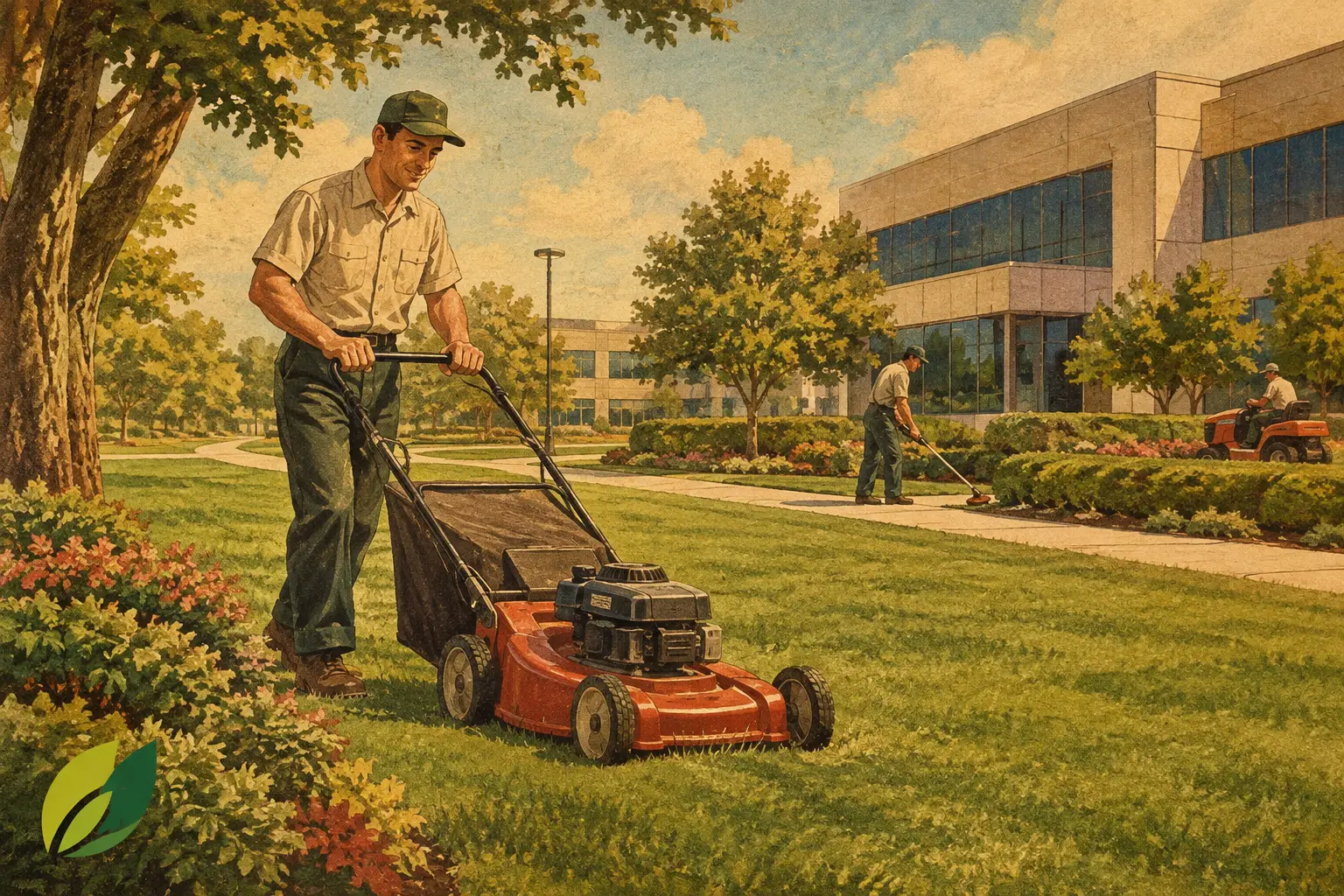
Garden Maintenance for Landlords Made Simple
A lawn that has gone knee-high, gutters hidden by climbing plants and garden beds full of weeds can quickly change how a rental property feels. Garden maintenance for landlords is not about creating a show garden at every tenancy. It is about keeping outdoor areas safe, presentable and manageable, so the property holds its appeal without becoming another ongoing task for a tenant or property manager.
For landlords, the best approach is clear expectations backed by a practical maintenance plan. That protects the property, helps attract the right tenants and avoids the familiar rush to restore an overgrown section between tenancies.
Why garden upkeep matters to a rental property
The exterior is the first thing prospective tenants see, and it shapes their view of the home before they step inside. A tidy lawn, trimmed edges and maintained paths suggest a property that is cared for. That can support stronger tenant enquiry and make the home easier to present when it is time to re-let.
There is also a practical side. Unchecked growth can block drainage, crowd paths, conceal pests, damage fences and create moisture issues around the building. Tree branches rubbing against roofing, vines growing into gutters and plants pushing against cladding are small problems until they are not. Regular attention is generally more cost-effective than a large clean-up or repair later.
In Nelson and Tasman, gardens can grow quickly through warmer months, while winter rain exposes drainage and access issues. A maintenance schedule that changes with the seasons gives landlords more control over both cost and presentation.
Start with a clear tenancy agreement
Garden responsibilities should be agreed before a tenant moves in, not discussed after the lawns are already overgrown. The tenancy agreement should set out what day-to-day care the tenant will handle and what work remains the landlord's responsibility. Keep the expectations realistic for the size and complexity of the section.
For a straightforward property with a small lawn and simple garden beds, tenants may be comfortable with mowing, weeding and keeping paths clear. A large section, established hedging, mature trees, steep ground or specialist planting is different. Expecting tenants to manage work that requires equipment, experience or regular time can lead to inconsistent results and disputes.
A useful rule is this: tenants can reasonably look after ordinary, low-risk upkeep where it has been clearly agreed. Landlords should arrange work that is specialised, unsafe, difficult to access or needed to protect the building and long-term condition of the grounds.
Make the agreement specific. “Keep garden tidy” means different things to different people. It is more helpful to record which lawns are included, whether green waste is to be removed, what should happen with garden beds, and whether hedges or trees will be maintained by a contractor.
Match the plan to the property, not a generic checklist
A compact townhouse courtyard needs a different plan from a family home on a larger section. The aim is to create a standard that fits the property and can be kept consistently, even when tenancies change.
Low-maintenance properties
For a small, simple outdoor area, regular mowing, edging, weeding and a seasonal tidy may be enough. The key is frequency. Lawn growth can look untidy long before it becomes a major job, so a scheduled visit during the growing season keeps the property presentable and avoids a costly catch-up.
Hard surfaces deserve attention too. Moss, slippery algae, leaf build-up and weeds through paving affect both appearance and safety. Clearing paths, decks and entranceways makes a noticeable difference at inspections and viewings.
Established gardens and larger sections
Properties with mature gardens need more oversight. Hedges need shaping before they become woody and difficult to reduce. Trees need monitoring for dead branches, clearance from structures and visibility near driveways. Garden beds may need mulching, pruning and weed control to stop them becoming labour-intensive.
This does not mean every rental needs detailed landscaping. In fact, a highly planted garden can be a poor fit for a low-maintenance tenancy unless there is a plan to service it. Sometimes the sensible choice is to simplify overgrown beds, improve access and use hardy planting that looks good with less intervention.
New builds and recently landscaped homes
New turf, planting and garden edging can look excellent at handover, but they still need establishment care. Lawns may need watering, mowing at the right height and weed management while they become established. Plants need time to settle, and gaps in mulch or irrigation can quickly affect the finished look.
For landlords, this early period is worth protecting. A modest scheduled programme can preserve the investment in landscaping and reduce the likelihood of replacing plants or repairing patchy turf within the first year.
Build a seasonal maintenance rhythm
A seasonal plan makes garden work easier to budget and easier to manage. Rather than waiting for an inspection to reveal a problem, arrange the work when it is most useful.
In spring and summer, lawns, weeds and hedges often need more frequent attention. This is the time to keep edges sharp, control fast growth and make sure garden beds do not overwhelm paths, windows or outdoor living areas. Watering requirements depend on the property and local conditions, but it is worth checking that irrigation, taps and drainage are working as intended.
Autumn is a good time for leaf clearing, pruning where appropriate and preparing beds with mulch. It is also an opportunity to check that stormwater drains, downpipes and gutters are clear of plant growth and debris.
Winter maintenance is often about prevention. Wet ground, mossy paths and blocked drainage can create safety issues. Check accessways, outdoor steps, retaining areas and trees after periods of heavy weather. A tidy, accessible property is easier for tenants to live in and easier for tradespeople to attend if repairs are needed.
Use inspections to spot the work that matters
Routine property inspections are not just for checking the inside of the home. They are a useful point to look at garden condition, boundaries, drainage and the areas closest to the building.
Look for growth against cladding, water pooling near the house, loose branches, damaged fences, blocked paths and weeds taking hold in paving. Note whether the lawn and gardens are being cared for to the agreed standard, but also consider whether the workload is reasonable. If the garden repeatedly falls behind despite good tenants, the property may need a more practical maintenance arrangement.
Photos and clear notes help create a record of the garden’s condition. They also make it easier to direct a contractor and avoid misunderstandings over what work is required.
When a professional maintenance service makes sense
Outsourcing garden care is especially useful when you own multiple rentals, live out of town, have a complex section or simply want a consistent result between inspections. It removes the need to chase mowing dates, organise green waste removal or find separate providers for lawns, pruning, pressure washing and outdoor improvements.
A reliable maintenance provider can work to an agreed schedule and identify emerging issues before they become expensive. The value is not only in a freshly cut lawn. It is in knowing the property is being checked by people who understand outdoor presentation and practical property upkeep.
For larger jobs, such as restoring an overgrown section, installing new turf, reshaping garden beds or preparing a property for sale or re-letting, it can be more efficient to combine maintenance with a targeted improvement project. Prime Service Group works with landlords and property managers across Nelson and Tasman to keep these jobs coordinated, tidy and fit for the property’s needs.
A sensible standard for every tenancy
A workable garden plan should cover the basics without turning the rental into a high-maintenance project. At a minimum, make sure there is a clear approach for:
lawn mowing, edging and green waste
weed control in beds, paths and driveways
trimming plants away from buildings, paths and boundaries
clearing leaves and debris from drainage areas
seasonal checks of trees, hedges, outdoor steps and hard surfaces
The frequency will depend on the property, weather and level of planting. A neat courtyard may only need occasional professional support, while a leafy family section may benefit from regular scheduled visits. What matters is that the plan is visible, realistic and followed through.
Good garden maintenance should make a rental easier to own and more enjoyable to live in. Set clear expectations, keep the work proportionate to the property, and act before growth or weather turns a small outdoor task into a bigger problem. That is how the exterior stays in prime condition between one tenancy and the next.