
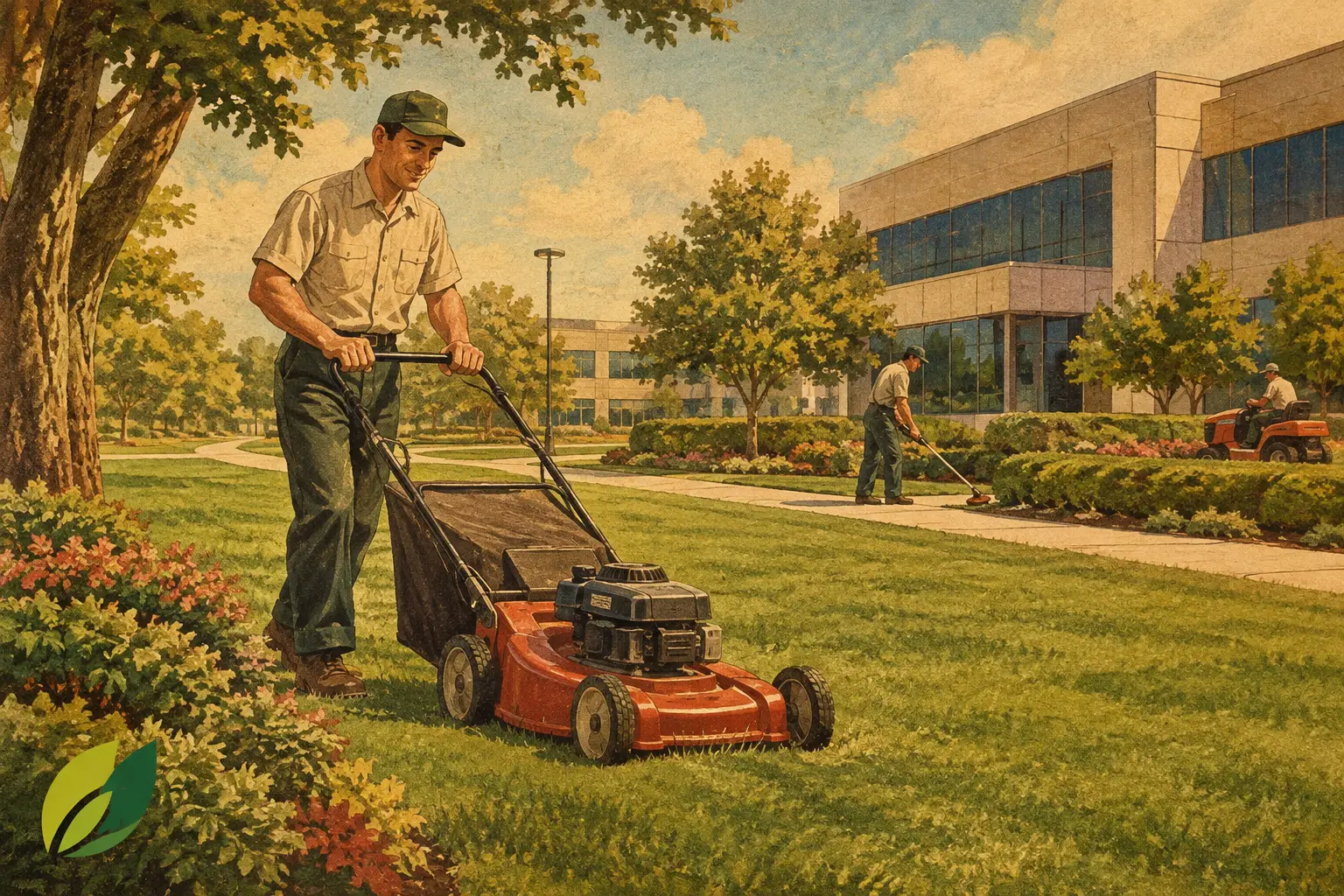
Commercial Grounds Maintenance Guide for Better Sites
A visitor often forms an opinion of your business before they reach the front door. Long grass at the entry, tired garden beds, weeds along the footpath or overflowing green waste can make an otherwise well-run site feel neglected. A practical commercial grounds maintenance guide helps property managers and business operators set a clear standard, organise the work and avoid the costly catch-up jobs that follow inconsistent care.
For commercial properties, grounds maintenance is not simply about keeping things neat. It protects the appearance of the asset, supports safer access, helps tenants and customers feel welcome, and gives owners confidence that the property is being looked after between inspections.
What commercial grounds maintenance should achieve
The right programme depends on the site, but the outcome should be consistent: grounds that look cared for, function well and reflect the standard of the business operating there. This applies equally to a retail frontage, office complex, hospitality venue, industrial property or multi-tenancy site.
A maintained outdoor area makes the building feel more valuable and more approachable. It can also prevent smaller issues becoming expensive ones. Unmanaged vegetation can obscure signage, block paths, crowd building edges and create extra work later. Regular attention keeps the work planned rather than reactive.
Good maintenance also respects how a site is used. A customer-facing entrance may need frequent detail work, while a rear service area may need practical, durable management. The goal is not to make every square metre high-maintenance. It is to put effort where it has the greatest impact.
Start your commercial grounds maintenance guide with a site plan
Before setting a schedule, walk the property as a customer, tenant or visitor would. Begin at the road frontage and car park, then move through entrances, shared paths, outdoor staff areas, boundary planting and service zones. Note what is visible, what is heavily used and what could create a safety or presentation issue.
A useful site plan records lawn areas, garden beds, hedges, trees, irrigation, paths, kerbs, signs and drainage points. It should also identify areas that need different levels of attention. This gives a maintenance provider clear priorities and gives managers a benchmark for inspections.
Define the presentation standard
Terms such as “tidy” or “well maintained” are open to interpretation. Set a clearer standard instead. For example, lawns may be kept at an even height, edges kept defined, garden beds free of obvious weeds, and entrance planting trimmed so it does not conceal signs or paths.
The expected standard should suit the business. A medical practice, showroom or visitor-focused venue may require detailed weekly presentation. A warehouse may need a simpler programme focused on access, visibility and controlled vegetation. Both can be maintained professionally, but the work plan will differ.
Identify seasonal pressure points
Nelson and Tasman properties can change quickly through the year. Spring growth may increase mowing and weed-control needs, while dry periods can put lawns and new planting under pressure. Leaf fall, windblown debris and rainfall can also affect paths, drains and entry areas.
Planning for these shifts prevents the common mistake of using the same visit schedule all year. A fixed fortnightly visit may be ideal through one season and insufficient in another. A flexible programme that increases or redirects work when conditions demand it generally delivers better value.
Build a schedule around the work that matters
A commercial grounds schedule should be reliable enough that site managers are not chasing basic upkeep, while still allowing room for seasonal tasks and one-off improvements. Frequency is driven by growth rates, the size of the grounds, public visibility and the standard expected by tenants or customers.
For many sites, lawn mowing, edging, weed control and general garden tidying form the regular core. Pruning, mulching, fertilising, planting refreshes and turf repairs tend to sit on a seasonal or project basis. The important part is that these jobs are not forgotten just because the weekly work is complete.
Where grounds are prominent, regular visits can prevent a gradual drop in presentation. Where areas are more functional than decorative, less frequent servicing may be appropriate. Cutting visits too far to save money can be a false economy if lawns become patchy, weeds establish, or an extensive tidy-up is later required.
Keep entrances and shared spaces at the top of the list
The main entry, building signage, footpaths, car parks and communal outdoor areas deserve priority because they are seen and used every day. These places should look intentional, not simply maintained when time allows.
Pay close attention to overgrown plants near walkways, loose green material on paths and planting that affects sightlines. Good grounds care supports safe movement around the property as well as a clean appearance. If there are tenants on site, make sure expectations for common areas and individual leased spaces are clearly separated.
Do not overlook turf health
Mowing alone will not maintain a strong commercial lawn. Compacted soil, poor drainage, bare patches, shade and dry conditions all affect turf quality. A lawn that is repeatedly cut too short may look neat for a day but can struggle over time.
A good turf plan considers mowing height, seasonal feed, irrigation where available and repair work when damage appears. For high-visibility areas, hydroseeding or targeted turf renewal may be a better long-term answer than repeatedly trying to disguise thin grass. The right solution depends on how quickly the area needs to recover, how much traffic it receives and the available budget.
Choose planting that suits the site, not just the first impression
Fresh planting can transform a commercial property, but it needs to be chosen with future maintenance in mind. Plants that outgrow their space quickly, need constant trimming or struggle in the local conditions can create an ongoing cost that was not obvious at installation.
Select planting for sun, shade, wind exposure, soil conditions and access to water. Consider mature size before planting near signs, windows, footpaths and building services. Tough, well-positioned plants usually provide a more dependable result than a garden that looks impressive on day one but requires intensive care to hold its shape.
Mulch can be a practical addition to planted areas. It improves the finished look, helps retain soil moisture and suppresses weeds. However, it needs periodic topping up and should be kept clear of building cladding and plant stems.
Make communication part of the maintenance programme
Reliable grounds maintenance is easier to manage when there is one point of contact, a clear scope and a simple way to report changes. Site managers should know what is included in the regular visit, what will be quoted separately and how urgent issues will be handled.
Photos and brief updates can be valuable for owners who do not visit regularly, particularly across rental portfolios or multi-site operations. They create a record of completed work and make it easier to approve improvements before a minor issue becomes more visible.
Timing matters too. Commercial work should be scheduled around the way the property operates. Early visits, quieter trading periods or agreed access arrangements can reduce disruption to staff, customers and tenants. A contractor who understands the site can work efficiently without creating avoidable inconvenience.
Review results, not just completed tasks
A checklist confirms that mowing or pruning took place. A proper review asks whether the property is looking better, functioning well and meeting the agreed standard. Review the grounds after seasonal changes, tenant changes, major landscaping work or periods of unusual weather.
Look for recurring trouble spots: a lawn area that stays wet, a garden bed that repeatedly fills with weeds, plants that block visibility, or an entrance that no longer reflects the quality of the business. These patterns point to a better fix, whether that is drainage work, planting changes, improved turf management or a revised visit frequency.
This is where an integrated provider can save time. Rather than coordinating separate contractors for garden care, turf work, landscape upgrades and exterior presentation, property managers can work from one practical plan and one accountable point of contact.
Prime Service Group works with commercial property owners and managers across Nelson and Tasman to keep outdoor areas presentable, practical and easier to manage. The best maintenance programme is not necessarily the most elaborate one. It is the one that suits your property, happens when it should and keeps the right details looking cared for all year.


