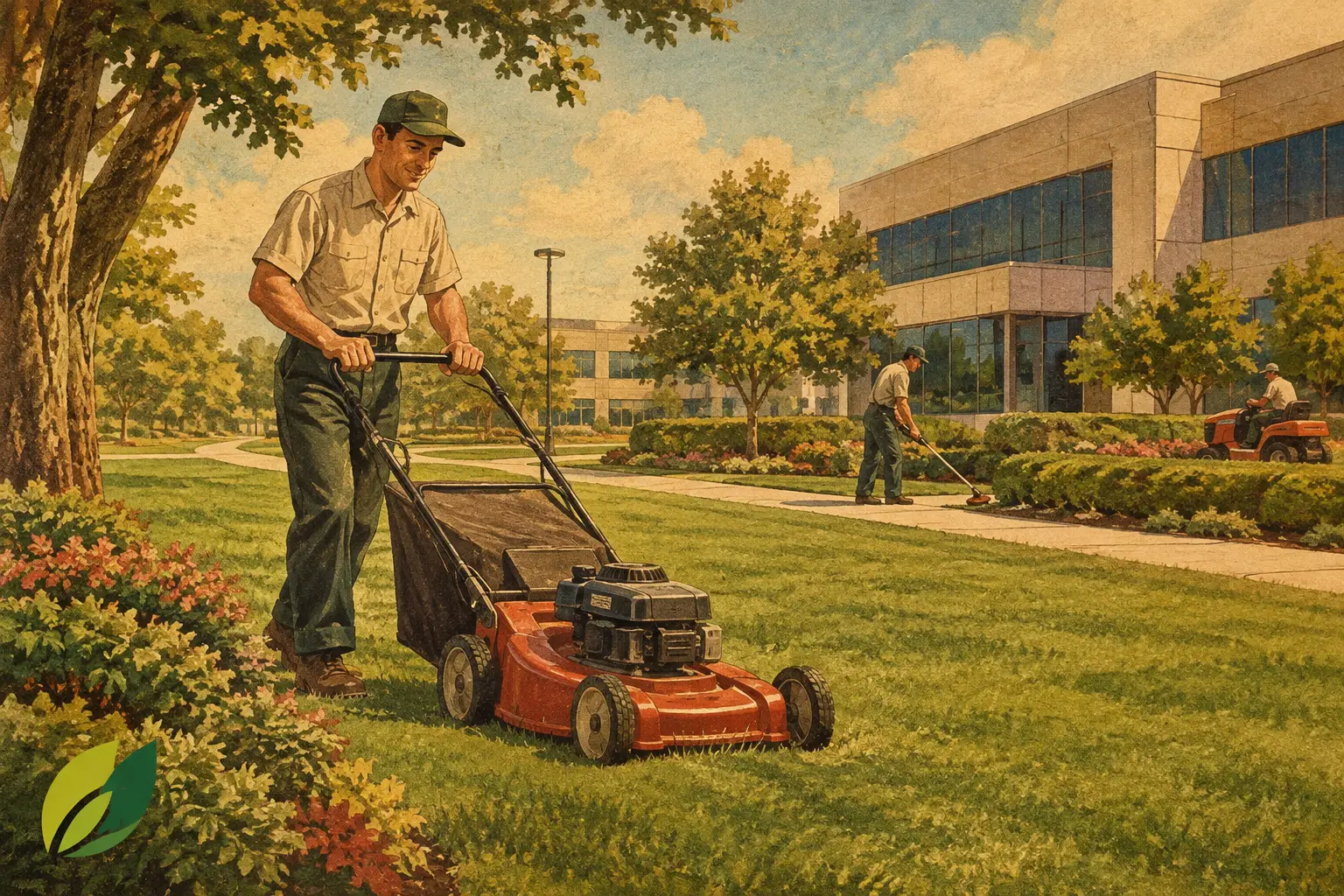
Turf Management That Keeps Lawns Looking Prime
A lawn can look tidy one week and tired the next. Patchy growth, compacted soil, weeds and bare edges do more than affect appearance - they can make an otherwise well-kept property feel neglected. Effective turf management is the steady, practical work that keeps grass healthy, presentable and able to recover from the demands of everyday use.
For homeowners, landlords and commercial property operators, the aim is not a picture-perfect lawn at any cost. It is a lawn that suits the property, looks cared for and can be maintained reliably through changing conditions. That takes more than an occasional mow.
Turf management starts below the surface
Healthy grass begins with soil that can hold moisture, drain excess water and provide room for roots to grow. When soil is compacted, lawn roots stay shallow. The result is grass that dries out quickly in warm weather, struggles after heavy rain and wears thin where people walk or vehicles pass nearby.
Compaction is common around new builds, rental properties with regular foot traffic, and lawns established on filled or heavily worked ground. Aeration can relieve that pressure by opening the soil and allowing water, air and nutrients to move where they are needed. It is a simple treatment with a noticeable effect when it is timed well.
Soil condition also affects which grass will perform best. A shaded lawn beneath established trees has different needs from an open, sunny frontage. Coastal exposure, slopes, drainage and how the area is used all matter. A hard-wearing lawn for a family home or shared rental needs a different approach from a low-traffic garden area designed mainly for kerb appeal.
Mowing is more than keeping the grass short
Regular mowing creates a cleaner finish, but cutting too low can weaken turf. Very short grass exposes more soil to heat, encourages weeds and reduces the plant's ability to recover. Leaving grass slightly longer during dry periods generally helps shade the soil and retain moisture.
The right mowing schedule depends on growth, not just the calendar. Grass can grow quickly during mild, damp spells and slow right down through dry or cool periods. Removing too much leaf in one cut puts stress on the lawn, especially if it is already under pressure from heat, shade or wear.
Clean, sharp mower blades are just as important. Dull blades tear grass rather than cutting it cleanly, leaving tips brown and vulnerable to disease. For managed properties, consistent mowing also keeps paths, boundaries and garden edges looking deliberate rather than overlooked.
Edges make the difference at the street
A lawn can be healthy and still look untidy if its edges are overgrown. Crisp borders along paths, garden beds, driveways and fences give the whole outdoor area a more finished appearance. This is particularly valuable for rental homes between tenancies, new-build handovers and customer-facing commercial sites.
Edging should complement the lawn rather than scalp it. Cutting too aggressively at borders can create bare strips that are difficult to re-establish. A careful, regular approach produces a neater result and reduces the need for larger remedial work later.
Water wisely, especially in dry periods
Lawns need water to grow, but frequent light watering often creates shallow roots. A deeper soak, applied less often when conditions require it, encourages roots to grow further into the soil. That helps turf cope better when rain is scarce.
There is no single watering rule for every property. Sandy ground drains quickly, while heavier soils can hold water for longer. Shaded lawns need less water than open areas, and newly seeded or newly hydroseeded turf needs more careful attention while it establishes. Watering early in the day is generally preferable, allowing grass to dry rather than remaining damp overnight.
Overwatering has its own costs. It can waste water, promote weak root systems and create conditions that favour moss or disease. The goal is not constantly wet ground. It is stable soil moisture that supports strong, resilient turf.
Feed grass according to its condition
Fertiliser can improve colour and growth, but it is not a cure for poor drainage, compaction or inappropriate mowing. Applying the wrong product, or applying too much, can produce a short burst of soft growth that needs more mowing and may not stand up well to stress.
A sensible turf programme considers the season and the lawn's actual condition. If grass is pale, thin or slow to recover, the cause should be identified before adding nutrients. It may need feeding, but it may also need aeration, weed control, improved drainage or a change to the mowing routine.
For landlords and property managers, this matters because reactive treatments can become expensive. Scheduled maintenance makes it easier to spot small changes early, before a thin patch becomes a large bare area requiring renovation.
Keep weeds from taking over thin turf
Weeds are opportunists. They establish where grass is sparse, soil is exposed or mowing is inconsistent. Removing visible weeds is useful, but the longer-term answer is to improve the turf around them so there is less room for weeds to return.
Different weeds need different treatment, and timing matters. Treating at the wrong stage can be ineffective or may affect surrounding grass. In some cases, manual removal is suitable for a small number of weeds. On larger areas, a planned treatment programme may be more practical.
Moss deserves similar attention. It is often a sign of shade, wet ground, compaction or low soil fertility rather than the main problem itself. Removing moss without correcting the cause usually means it returns.
Repairing bare patches before they spread
Bare patches can appear after summer dryness, heavy use, pet damage, poor drainage or construction work. Left alone, they can become muddy in wet weather and invite weeds. Early repair is usually quicker and less disruptive than waiting until the whole lawn needs attention.
Small areas may respond well to preparation, suitable seed and consistent moisture while new grass establishes. Larger areas, uneven new-build sections or sites requiring faster, more even coverage may be better suited to hydroseeding. The right option depends on the size of the area, the desired finish, access, budget and how soon the space needs to be used.
Fresh turf needs protection while it establishes. Heavy foot traffic, close mowing and irregular watering can undo good work. At a rental or commercial property, planning establishment work around occupancy, access and seasonal weather can make a major difference to the final result.
A practical seasonal approach
Turf management works best as ongoing care rather than a once-a-year clean-up. In warmer, drier months, the focus is often on sensible mowing height, moisture management and limiting stress. During milder growing periods, lawns are more able to respond to feeding, aeration and repair work.
Autumn is often a useful time to address thin areas and soil condition while temperatures are more forgiving. Winter can expose drainage problems, moss and compaction, particularly in shaded parts of the property. Spring brings active growth and an opportunity to set the lawn up for the months ahead.
Local conditions across Nelson, Tasman and Marlborough can vary sharply between properties. A sheltered town section, a windy coastal site and a rural block may each need a different schedule. Good management responds to what the lawn is showing, not a fixed checklist alone.
Consistent care protects the wider property
A well-managed lawn frames the rest of the property. It makes garden beds look sharper, gives tenants and visitors a better first impression, and supports the value of landscaping work already completed. Just as importantly, it removes one recurring job from a busy owner's list.
Prime Service Group approaches turf care as part of the property’s overall presentation and long-term upkeep. Whether the need is ongoing maintenance, lawn repair or establishment for a new outdoor space, clear planning and tidy workmanship help keep the result dependable.
The best lawns are rarely the ones that receive one dramatic treatment. They are the ones given the right attention at the right time, so the property continues to look cared for long after the first good impression.