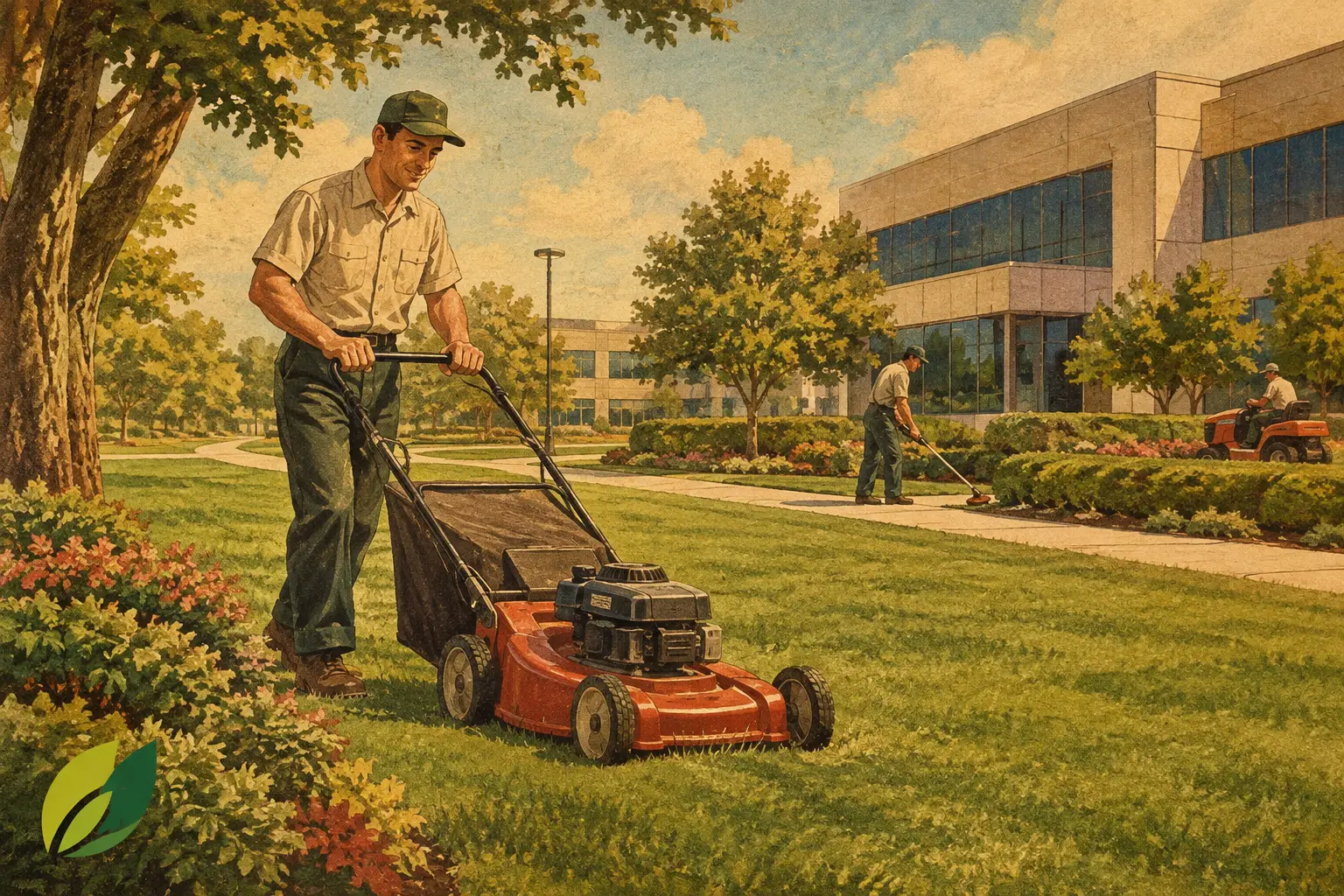
Seasonal Garden Clean Up for a Property That Lasts
A neglected garden rarely becomes a problem overnight. It is the fallen leaves left against a fence, the hedge slowly blocking a path, and the weeds taking hold around garden edges that gradually make a property feel uncared for. A well-timed seasonal garden clean up puts things right before small jobs become expensive repairs, restoring the tidy, welcoming presentation that owners, tenants and visitors notice.
For homeowners, it is a practical way to protect the enjoyment and value of an outdoor area. For landlords and property managers, it helps keep grounds safe, presentable and easier to manage between inspections. At commercial premises, clean garden beds and clear accessways support the first impression customers form before they walk through the door.
Why seasonal garden clean up matters
Gardens change quickly through the year. Warm weather brings rapid growth, dry periods can stress turf and plantings, and cooler months leave lawns covered with leaf litter and garden beds prone to weeds. Treating maintenance as a once-a-year task usually means working from a backlog. Seasonal attention keeps the workload manageable and gives plants the care they need at the right time.
There is also a property-protection benefit. Leaf build-up holds moisture against paving, decks, walls and fences. Over time, that can encourage slippery surfaces, staining, mould and deterioration. Overgrown plants can hide damage, restrict drainage, rub against exterior paintwork or create an easy route for pests.
A clean, defined garden makes the rest of a property look better too. Freshly edged lawns, pruned shrubs and cleared pathways add order even when a landscape is simple. That visible care is particularly valuable before a tenancy begins, a sale campaign, a property inspection or a busy trading period.
What a thorough garden clean-up should cover
A useful clean-up is more than a quick mow and a bag of weeds. The exact scope depends on the property, season and condition of the grounds, but it should address both presentation and plant health.
Clear leaves, debris and problem growth
Start by removing fallen branches, leaf litter and rubbish from lawns, planting beds, gutters around outdoor areas, paths and entrances. This improves the appearance straight away, but the less visible benefit is just as important: clear ground allows air and light through and helps water drain as it should.
Weeds deserve attention before they seed. Pulling or treating them while they are young is quicker and reduces the work required in the following season. Persistent weeds in paving joins, retaining walls and gravel areas may need a different approach to weeds in lawn or garden beds, so it pays to assess the location rather than applying one method everywhere.
Prune with a purpose
Pruning keeps plants tidy, but heavy cutting at the wrong time can reduce flowering, expose sensitive growth or create unnecessary stress. Dead, damaged and crossing branches can generally be removed as they appear. For major reshaping, flowering shrubs and hedges should be assessed according to their variety and growth cycle.
Keep an eye on plants growing close to buildings. Branches should not press against cladding, windows, roofs or gutters. Shrubs around driveways and footpaths also need enough clearance for safe access and good sightlines. At a rental or commercial site, this is a practical safety issue as well as a presentation one.
Restore lawn edges and garden beds
A lawn can be healthy but still look untidy when its borders disappear into garden beds. Re-establishing clean edges gives a maintained look quickly and prevents turf from creeping into mulched areas. It also makes routine mowing faster and more consistent.
Garden beds benefit from removing spent annuals, cutting back tired foliage where appropriate, loosening compacted surface soil and topping up mulch. Mulch helps retain soil moisture, moderate temperature changes and reduce weed growth. It should be spread evenly rather than piled against trunks, stems or building cladding, where trapped moisture can cause problems.
Check water flow and hard surfaces
Seasonal maintenance is a good time to look beyond the plants. Check whether surface water is pooling near doors, under downpipes or beside retaining walls. Clear leaves from drains and grates, and remove growth that is narrowing paths or covering steps.
Paving, decks and concrete can become slippery when organic matter accumulates. Sweeping may be enough for light debris, while more established staining can require professional surface cleaning. The right treatment depends on the material and condition. Too much pressure on some surfaces can damage coatings, timber or mortar, so the quickest option is not always the best one.
A practical plan for each season
In Nelson and Tasman, seasonal conditions can vary across coastal, urban and rural properties, but the principle remains the same: respond to the garden's growth pattern rather than waiting for it to become overgrown.
Autumn: reduce the winter workload
Autumn is the time to clear leaf fall, remove summer growth that has finished, and tidy hedges before wetter weather arrives. It is also a sensible period to weed thoroughly and refresh mulch. If lawns are compacted or worn after summer use, assess whether they need renovation, aeration, feeding or reseeding rather than simply another cut.
Do not clear every leaf and stem from every corner. A small, contained area of leaf litter can provide habitat for beneficial insects. The key is to keep it away from buildings, drains, main lawns and high-use paths.
Winter: protect access and structure
Winter clean-ups are often about drainage, safety and restraint. Clear storm debris promptly, keep entrances and walkways free of slippery leaves, and make sure shrubs are not closing in around the home or commercial frontage. This is also a useful time to identify bare patches, poor drainage and plants that have outgrown their space.
Avoid working wet soil excessively, particularly in lawn areas and planting beds. Walking or using equipment repeatedly on saturated ground can compact it and create longer-term drainage issues.
Spring: prepare for active growth
Spring rewards a little forward planning. Weed early, edge lawns, prune plants that need attention and feed or improve soil where necessary. This is the season when small gaps in a garden become obvious, so it is a good opportunity to replace failed plants, improve planting balance or plan a more substantial landscape upgrade.
Fast growth means maintenance may need to become more regular. A property that looked neat in early spring can become untidy within weeks if mowing, trimming and weeding are left too long.
Summer: maintain, do not overwork
Summer care is about keeping gardens healthy without stressing them. Mow at an appropriate height, manage weeds before they compete for moisture and remove dead or damaged growth. Watering needs vary greatly by soil type, exposure, turf variety and plant selection, so avoid assuming every area needs the same schedule.
Pruning and planting should be approached carefully during extended dry conditions. Major work can wait if plants are under stress, while irrigation, mulching and sensible mowing will usually deliver better results.
When professional help makes sense
A property owner can handle many routine garden tasks, especially in a compact, established garden. Professional support becomes valuable when the work is recurring, the grounds are large, access is difficult, or a consistent standard matters across several properties.
For landlords and property managers, scheduled garden care reduces the need to chase one-off contractors before inspections or new tenancies. A planned service can combine mowing, edging, garden-bed care, rubbish removal and seasonal tidy-ups so the exterior is not left until it becomes urgent.
Larger clean-ups also uncover opportunities to improve the property rather than simply maintain it. Worn lawn areas may suit turf renovation or hydroseeding. An awkward, high-maintenance bed may be better redesigned with durable planting and clean edging. A tired exterior can often benefit from coordinated landscaping, surface cleaning and decorative upkeep rather than separate jobs managed at different times.
Prime Service Group provides practical grounds care and property maintenance for homes, rentals and commercial sites, with work planned around the condition of the property and the outcome required. The aim is straightforward: keep the grounds tidy, functional and ready to represent the property well.
A garden does not need to be elaborate to add value. It simply needs to look cared for, remain safe to use and have the right work done before the season changes again. A regular seasonal garden clean up is one of the most reliable ways to keep that standard in place.