Rental Property Maintenance That Protects Value
A rental can look fine at the final inspection yet still be slipping backwards. A blocked gutter, tired exterior paint, overgrown boundary, or worn lawn can quickly become a costly repair, a tenant complaint, or a poor first impression for the next applicant. Rental property maintenance is the practical work of spotting those small issues early and keeping the whole property presentable, safe and easier to manage.
For landlords and property managers, the goal is not to over-service a property. It is to put the right work on a sensible schedule, respond promptly when conditions change, and protect the asset without creating unnecessary disruption for tenants.
What rental property maintenance should achieve
A good maintenance plan supports three outcomes: a home tenants can enjoy living in, a property that holds its value, and fewer urgent calls when something preventable fails. Gardens, lawns, paths, exterior surfaces and paintwork all shape how a property is perceived. They also take the brunt of Nelson and Tasman's sun, rain, wind and seasonal growth.
The exterior matters more than many owners realise. Untidy grounds can make an otherwise well-kept home feel neglected. Moss or slippery buildup on paths can create a safety concern. Unmanaged planting can block drains, crowd walkways, damage fences or hide developing problems around the building.
Regular attention is generally less expensive than recovering a property after several seasons of neglect. It also makes budgeting clearer. Rather than facing a large clean-up between tenancies, owners can plan for routine garden care, surface cleaning and periodic improvement work.
Start with a clear division of responsibilities
Every tenancy is different, so maintenance responsibilities should be clearly set out before a tenant moves in. Landlords remain responsible for keeping the property in a reasonable state of repair and meeting applicable legal obligations. Tenants are generally expected to keep the home reasonably clean and tidy, report damage or maintenance issues promptly, and meet the garden-care expectations agreed in the tenancy.
The practical challenge is that lawns and gardens do not wait for a convenient inspection date. If a tenant has agreed to mow a small, straightforward lawn, that may work well. For larger sections, established gardens, hedges, shared accessways or homes where presentation is especially important, a landlord-funded scheduled service is often the cleaner arrangement.
It removes ambiguity, protects the property’s street appeal and gives tenants one less task to manage. It can also prevent disagreements about whether a garden has simply grown quickly or has been neglected.
Build a schedule around the property, not a generic checklist
There is no single maintenance frequency that suits every rental. A low-maintenance townhouse with a compact courtyard may need occasional tidy-ups and annual exterior cleaning. A family home with lawn, mature hedging, fruit trees and exposed paths needs more regular attention.
Start by assessing the site itself: lawn size, garden density, slope, drainage, shade, access, trees near the home and the property’s exposure to weather. Then set a schedule that reflects growth and wear.
Weekly to monthly: keep presentation under control
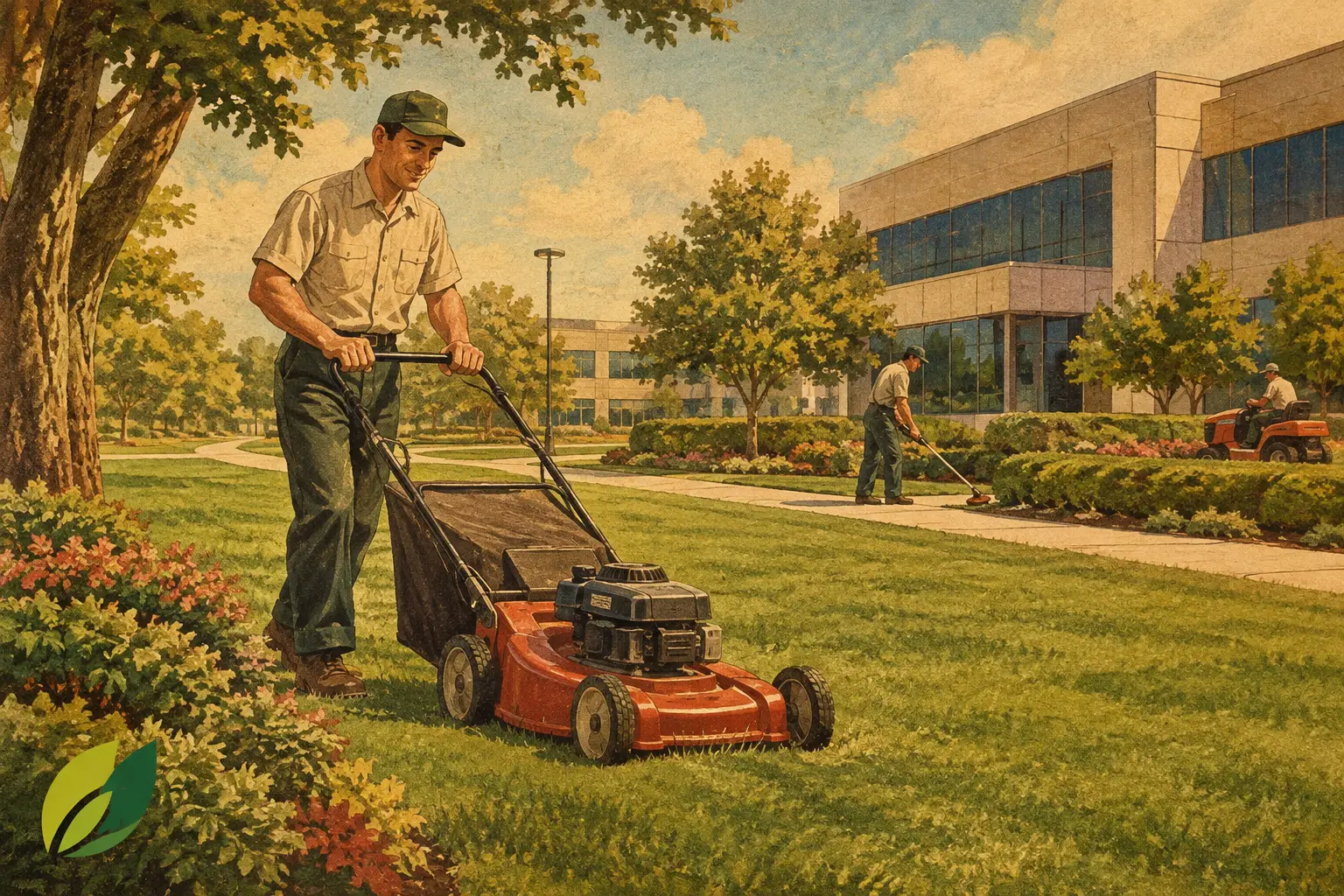
During active growing periods, mowing, edging, weeding and green-waste removal may be needed every two to four weeks. The right interval depends on rainfall, grass type and how polished the property needs to look. A lawn left too long can be harder to recover neatly, while overly frequent mowing in dry conditions can stress it.
This is also the right time to check that paths, letterboxes, entrances and outdoor living areas remain clear. Quick, regular work keeps a property looking cared for without turning each visit into a major job.
Seasonal: inspect what weather changes
Each season exposes different weak points. Autumn is a sensible time to clear leaves and organic debris before they collect in gutters and drains. Winter can reveal puddling, slippery paths, poor drainage and damp areas around the home. Spring is when weeds and lawn growth accelerate, while summer can show where turf is thinning, plants are struggling or exterior coatings are starting to fail under strong sun.
Seasonal visits should not be limited to cutting grass. They are an opportunity to notice leaning fence panels, encroaching branches, loose paving, damaged garden edging or vegetation pressing against the building. Reporting these early gives the owner time to choose a planned repair rather than deal with an emergency.
Annually: protect high-value surfaces
Annual or periodic exterior work is where long-term value is often protected. Pressure washing can lift grime, mould and moss from paths, decks, driveways and exterior surfaces when used appropriately. Painting and decorating can address peeling coatings before exposed timber or other substrates deteriorate.
The timing depends on the material and its condition. Pressure washing is not a cure-all, and too much pressure can damage some surfaces. Likewise, repainting should follow proper preparation, not just cover over flaking paint. A reliable contractor will assess the surface, the cause of the problem and the most suitable treatment.
Pay close attention between tenancies
A change of tenant is one of the best times to inspect the property properly. There is clearer access, less disruption, and an opportunity to complete work that is difficult to coordinate during an occupied tenancy. It is also when presentation has the greatest impact on prospective tenants.
Focus on the outside as carefully as the interior. Refresh tired garden beds, cut back overgrowth, remove green waste, clean paths and entrances, address weeds, and inspect lawn condition. If the section is bare, muddy or patchy, turf repair or hydroseeding may be a better long-term investment than repeated short-term fixes.
This is also the time to decide whether the landscape is working for a rental. Highly intricate gardens can look impressive, but they may demand more care than a typical tenancy can reasonably support. Simple planting, durable edges, practical access and lawn areas sized for easy mowing often deliver a better result over time.
Respond early to the warning signs
Rental property maintenance becomes expensive when obvious warning signs are deferred. A small patch of moss can indicate persistent shade or drainage issues. Repeated lawn dieback may point to compacted soil, inadequate irrigation, pet damage or poor turf selection. Peeling paint may be localised, but it can also signal moisture getting where it should not.
Treat the symptom, but ask why it is occurring. Cutting back vegetation might improve airflow around a damp wall. Repairing drainage may stop recurring damage to paths and garden beds. Reworking a difficult lawn area may reduce ongoing mowing and repair costs.
Clear communication matters here. Tenants should know how to report concerns, and owners should receive practical information about what has been found, what needs prompt action and what can be scheduled. Photos and a short scope of work make approvals easier, particularly for property managers overseeing several homes.
Use one coordinated provider where it makes sense
Managing separate contractors for lawns, gardening, exterior cleaning, landscaping and painting can work, but it takes time. It can also leave gaps, particularly when each contractor sees only one part of the property.
A coordinated maintenance provider can identify connections between issues and schedule work in a logical order. For example, garden clearance may need to happen before pressure washing, or drainage and turf preparation before new grass is installed. That means less back-and-forth for the owner and a tidier result on site.
Prime Service Group supports rental owners and property managers with ongoing grounds care as well as property-improvement work across Nelson and Tasman. The benefit is straightforward: one accountable local team that can maintain presentation, report issues and organise practical upgrades as the property needs them.
Make the plan easy to administer
The best plan is one that an owner or property manager can actually maintain. Keep a simple record of service dates, inspection notes, tenant reports, completed work and recommended follow-up. Group predictable work into recurring visits, then allow a separate budget for repairs and improvements that cannot be planned precisely.
For a portfolio, consistency is especially valuable. The same reporting format, service standard and approval process across properties makes costs easier to compare and problems easier to spot. For a single rental, it provides confidence that the home is not being left to drift between inspections.
A well-maintained rental does more than look good on advertising day. It gives tenants a place they can be proud to call home, reduces avoidable wear on the asset, and helps every inspection end with fewer surprises. Prime finish. Local heart.