Commercial Grounds Maintenance Nelson That Lasts
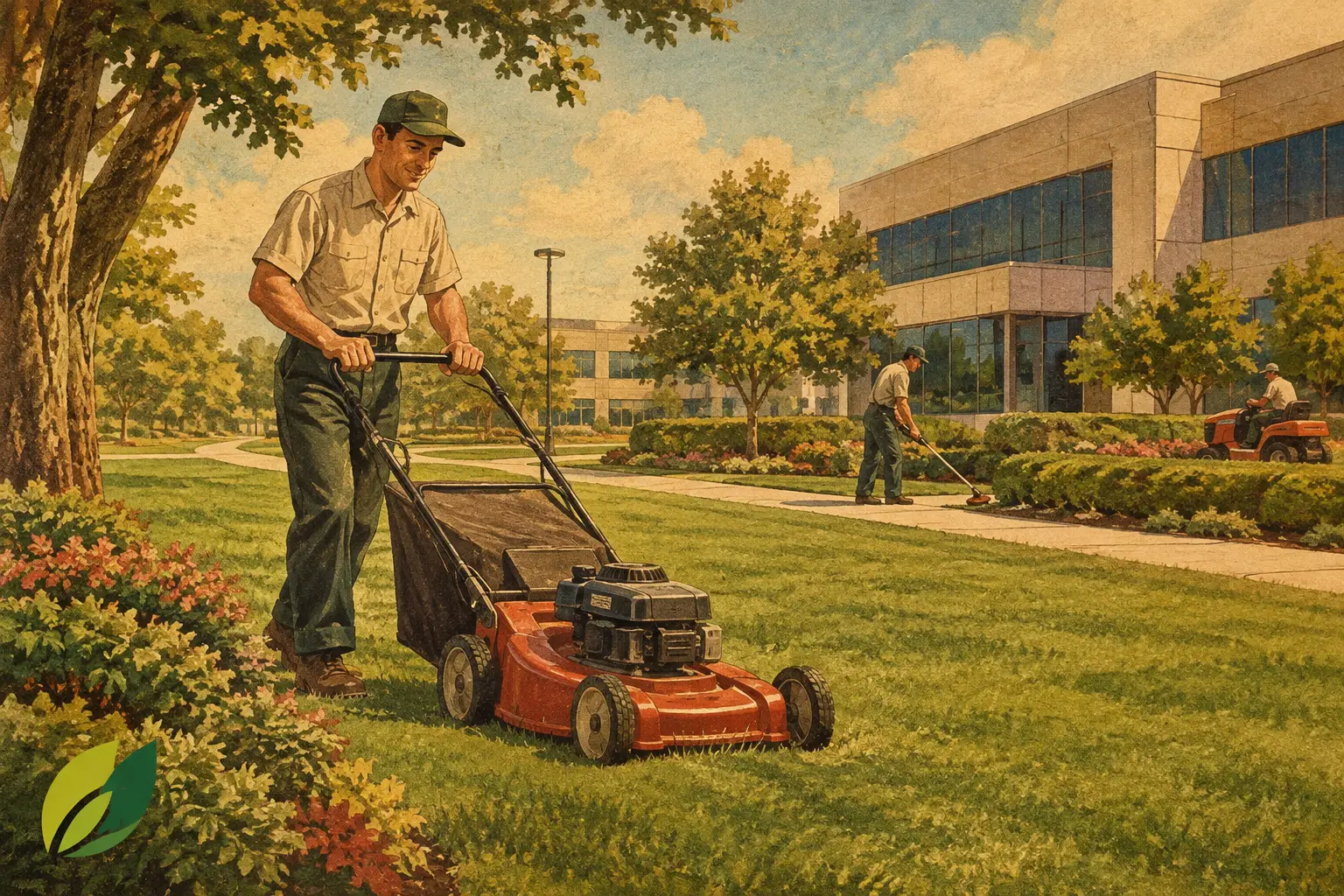
A visitor often decides how well a business is run before they reach reception. Long grass at the entry, weeds through the car park edges, slippery paths or tired garden beds can suggest neglect, even when the service inside is excellent. Commercial grounds maintenance Nelson businesses can depend on is not simply about mowing lawns. It is a practical way to protect presentation, improve safety and take one more recurring job off a busy manager’s list.
For a hospitality venue, retail site, office, body corporate or managed commercial property, the right maintenance plan keeps the outside looking cared for without interrupting daily operations. The work needs to be consistent, properly timed and matched to how the site is actually used.
What commercial grounds maintenance should cover
Commercial grounds maintenance is most effective when it treats a property as a complete public-facing environment. Lawns, planted areas, hard surfaces and entrances all influence the first impression. Looking after only one area can leave the rest of the site looking unfinished.
Regular mowing, edging and line trimming keep turf areas neat and prevent grass from spreading across paths, kerbs and garden borders. The frequency will vary. A highly visible lawn near a café or showroom may need more attention through the main growing season than a low-traffic rear boundary. Cutting too infrequently creates a rough finish, but cutting too short in dry weather can put unnecessary stress on the lawn.
Garden care is equally visible. Weed control, pruning, deadheading, leaf removal and mulch maintenance help planting beds hold their shape and make entrances feel considered rather than forgotten. A well-kept garden does not need to be elaborate. It needs healthy plants, clean edges and enough room for each plant to grow without overwhelming signs, walkways or windows.
Hard-surface cleaning is often the missing piece. Moss, grime, leaf litter and spills can make paths and forecourts look dull, while some surfaces become slippery when wet. Pressure washing, carried out with care for the surface and surrounding planting, can restore the appearance of paved areas, building entries, decks and exterior walls. This is especially valuable for customer-facing premises where clean accessways are part of the experience.
A schedule built around the site, not a generic checklist
There is no single maintenance frequency that suits every commercial property. A small professional office with minimal landscaping has different needs from a motel, medical practice, industrial yard or retail frontage. The most useful plan starts with a site walk-through and a clear understanding of the property’s priorities.
Foot traffic, visibility from the road, shade, irrigation, mature trees and trading hours all affect the schedule. Nelson and Tasman conditions also matter. Growth can surge after rain and warmer weather, while dry periods may call for a more careful approach to mowing and watering. Sites under established trees may need more regular leaf and debris clearing, particularly around drains and pedestrian areas.
A dependable contractor should set out what will be maintained, how often it will be checked and what sits outside the regular visit. That distinction matters. Routine mowing and gardening can be planned, while storm damage, irrigation faults, major pruning or a landscape refresh may need approval as separate work. Clear scope prevents surprises and helps property managers budget properly.
Timing work to reduce disruption
Grounds work should fit around your customers, staff and tenants. For some businesses, early morning visits are the most practical option. For others, work between service periods or on quieter days is better. Noise, access restrictions, parking and health and safety requirements should be discussed before a schedule is locked in.
This is particularly important for hospitality, retail and sites with shared access. A contractor who turns up at the wrong time can block a delivery, inconvenience customers or create avoidable mess during trading. Good coordination is as valuable as tidy workmanship.
Why consistent upkeep protects property value
Commercial maintenance is sometimes viewed as a cosmetic expense, but deferred upkeep usually costs more. Weeds become established, lawns thin out, drains clog, garden beds lose definition and grime builds up on hard surfaces. What could have been handled during regular visits can turn into a larger clean-up or replacement project.
Consistent care also helps identify small problems early. A patch of struggling turf may point to compacted soil, shade, pests or irrigation issues. Water pooling near an entrance might indicate a blocked drain. Overgrown shrubs can hide signage, reduce visibility around car parks or interfere with access. Addressing these issues early protects the condition of the property and avoids a gradual decline that tenants, customers and prospective buyers notice.
For landlords and property managers, a scheduled service creates accountability. Instead of arranging a different gardener, cleaner and exterior contractor each time an issue appears, there is a regular set of eyes on the property. This reduces administration and provides a clearer record of what has been done.
Where a broader property service makes a difference
A grounds contract does not have to stop at mowing and weeding. When a site needs attention beyond its regular schedule, it is useful to have practical capability available through one provider. A pressure wash before a busy season, fresh planting at an entrance, hydroseeding for a worn lawn area or exterior painting can all lift the overall impression of a commercial property.
The advantage is coordination. New planting should suit the maintenance programme that follows. Turf work should be planned around access and establishment time. Exterior cleaning needs to be timed so it does not clash with painting, landscaping or major tenant activity. Managing these jobs as connected parts of the property avoids the patchwork result that can happen when each task is treated in isolation.
That said, a broader provider is not automatically the best choice for every job. Very large sites, specialist arborist work or complex irrigation installations may require dedicated expertise. The key is having a contractor who is clear about their scope, brings in the right capability when needed and takes responsibility for communication.
Choosing a commercial grounds maintenance provider in Nelson
Price matters, but the cheapest quote is rarely useful if visits are missed, work is rushed or the scope is unclear. Commercial properties need reliable attendance and a standard that remains consistent after the first tidy-up.
Ask prospective providers how they assess a site, how they manage weather delays and who your point of contact will be. It is also worth confirming how they handle green waste, whether they can work around tenants or customers, and what process they use for reporting additional work. Photos and concise updates can be helpful for off-site owners and property managers, especially when an issue needs a quick decision.
Look for a service that understands presentation as well as maintenance. A neat lawn is only part of the result. Edges should be clean, paths left clear, clippings removed from entrances, gates secured and garden beds left tidy. These details are what make a property feel professionally cared for.
Set the standard before the first visit
The best commercial grounds maintenance relationships begin with practical expectations. Identify the areas that matter most, such as the main entrance, customer parking, outdoor seating, tenancy signs or rear access. Explain any site rules, preferred visit times and known problems. If the property has a particular appearance standard, share examples rather than relying on vague terms such as “tidy”.
It also helps to review the plan after the first season. A schedule that worked in winter may need adjusting through spring growth, dry summer conditions or a change in tenancy. Maintenance should be responsive without becoming unpredictable.
Prime Service Group approaches commercial upkeep with that straightforward focus: dependable local service, clear communication and work that leaves the property looking properly cared for. The aim is not to make management more complicated. It is to ensure the outside of your business reflects the standard you expect inside.
A well-maintained site gives customers confidence, helps tenants take pride in where they work and keeps small exterior problems from becoming expensive distractions. Set a clear standard, choose a provider who can meet it consistently, and let your grounds quietly do their part for the business every day.